

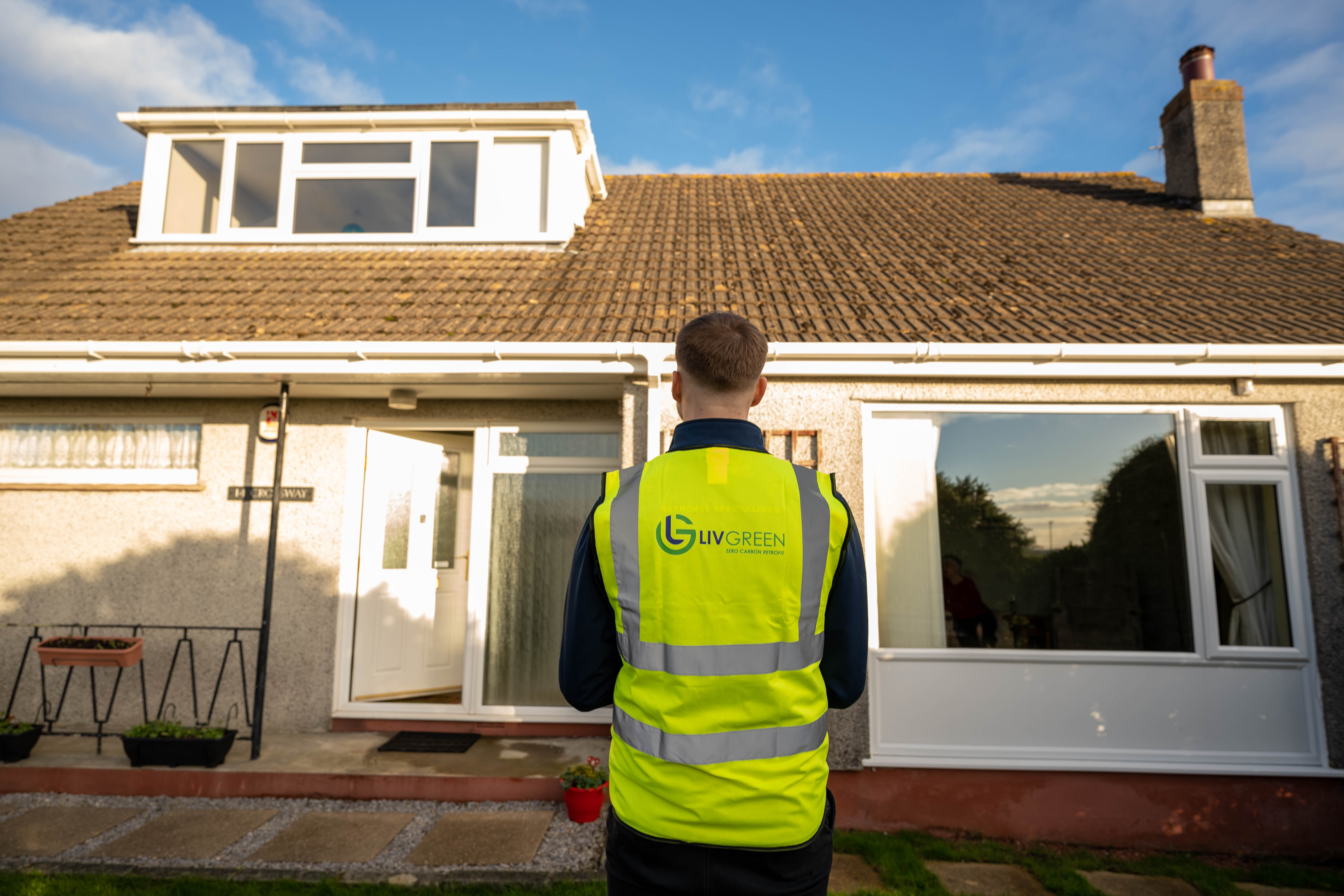
The introduction of Awaab's Law has fundamentally changed the way housing providers approach property safety, resident wellbeing and compliance. As Phase 2 comes into force, expectations are increasing, not just around responding to hazards, but around preventing them from occurring in the first place.
For housing providers, this is an opportunity to move beyond reactive repairs and embrace a more proactive, data-led approach to managing homes. Those that prepare now will be in a stronger position to meet regulatory requirements, improve resident outcomes and future-proof their housing stock.
Compliance Starts Before a Complaint
Historically, many issues such as damp and mould have been dealt with after residents raise concerns. Under Awaab's Law Phase 2, housing providers are expected to demonstrate that they are identifying risks, investigating them quickly and taking appropriate action within prescribed timescales.
This requires a shift in mindset.
Instead of asking, "How quickly can we respond?", organisations should be asking, "How do we stop these issues happening in the first place?"
That means investing in better property intelligence, robust inspection processes, preventative maintenance and long-term building improvements.
Damp and Mould: Treat the Cause, Not Just the Symptoms
Damp and mould remain one of the biggest challenges facing the social housing sector. While surface treatments and repairs may provide temporary relief, they rarely solve the underlying issue.
Condensation, poor ventilation, inadequate insulation, thermal bridging and inefficient heating systems all contribute to the conditions in which damp and mould thrive.
Unless these root causes are addressed, the problem is likely to return.
Awaab's Law is encouraging housing providers to take a more holistic view, one that focuses on building performance as much as building repairs.
A Joined-Up Approach to Damp and Mould
At LivGreen, we believe effective damp and mould management goes far beyond remediation.
Our approach combines detailed property assessments with practical, long-term solutions that improve the health and performance of homes. We work with housing providers to identify the underlying causes of damp and mould before recommending the most appropriate interventions.
Depending on the property, this may include:
- Comprehensive damp and mould inspections
- Building fabric assessments
- Ventilation improvements
- Insulation upgrades
- Energy efficiency measures
- Targeted retrofit solutions
- Resident guidance and engagement to support healthier living environments
By addressing the source of the problem rather than simply treating the visible symptoms, housing providers can reduce repeat call-outs, improve resident satisfaction and create healthier homes that remain compliant for the long term.
Operational Readiness is About More Than Repairs
Meeting the expectations of Awaab's Law Phase 2 requires organisations to be operationally ready across every stage of the resident journey.
Housing providers should consider whether they have:
- Accurate stock condition and asset data
- Clear processes for identifying high-risk homes
- Sufficient surveying and contractor capacity
- Robust reporting and audit trails
- Integrated repairs, maintenance and retrofit programmes
- Delivery partners capable of working at scale
The organisations that perform best won't necessarily be those reacting fastest—they'll be those preventing problems before they escalate.
Retrofit is Part of the Solution
Energy efficiency and compliance are becoming increasingly interconnected.
Well-planned retrofit programmes improve thermal performance, reduce condensation risk, enhance ventilation and create warmer, healthier homes. They also contribute towards net zero ambitions, reduce fuel poverty and improve resident comfort.
Rather than viewing retrofit and compliance as separate workstreams, forward-thinking housing providers are bringing them together within a single asset management strategy.
The result is fewer recurring issues, lower maintenance costs and better outcomes for residents.
Looking Ahead
Awaab's Law Phase 2 is raising the standard for housing management across the sector.
While compliance is essential, the greatest opportunity lies in creating housing that is healthier, more resilient and better prepared for the future.
By investing in operational readiness, preventative maintenance and strategic retrofit today, housing providers can reduce risk, strengthen resident trust and deliver lasting improvements across their housing stock.
How LivGreen Can Help
LivGreen supports housing providers in getting ahead of the curve. Our integrated approach combines damp and mould expertise with retrofit, decarbonisation and property improvement programmes to tackle the root causes of housing hazards, not just the symptoms.
Whether you're reviewing your operational readiness for Awaab's Law Phase 2, looking to strengthen your damp and mould strategy, or planning wider asset improvements, our experienced team can help you develop practical, compliant solutions that improve building performance and protect resident wellbeing.



Leave Your Comment Here